LUMI Reviews Father Mother Sister Brother: Family Ties and Familial Lies
01 April 2026
LUMI Programmer Peter Corvan reviews Father Mother Sister Brother, Jim Jarmusch's eagerly awaited new film, showing from April 10th at QFT.
⚠️ This review contains spoilers.
Whenever you arrive to see a film, I believe there are many things that influence how you feel about it. The time of day you see it at, the time of your life you are in, the people you may or may not be there with, even where you see it. Equally as important can be how many films you have seen, of the director, the actors or even the genre. If you see a film do something that has never been done or something you have never seen, chances are you will view it favourably. If you have seen it done time and time again, then chances are such familiarity will bring boredom or discontent.
All of this is to say I feel in a unique position to comment on Father Mother Sister Brother, the latest effort from American filmmaker Jim Jarmusch, as each above factor was at play for me. This is the first film of his I have seen, and I find it hard to categorize its genre, but there is no doubt after watching what the film is about. We are presented with 3 different “slice of life” style stories, each without a single recurring character but linked together by specific narrative threads. Each story is about the struggle to know your parents, those great significant characters in our lives, through the lens of a father, mother then sister and brother.
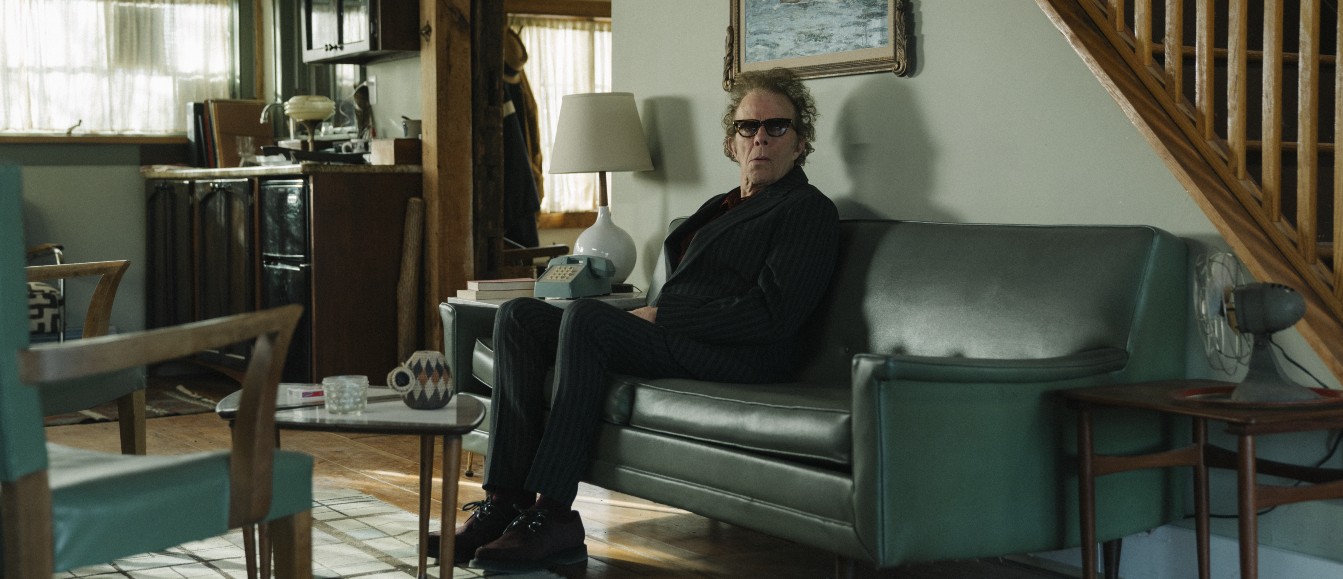
Familial relations are a landmark part of every life, but here the fractured nature of each family could not be more understated. Tom Waits’ character, who is credited as simply “Father,” is a complete enigma to his children played by Adam Driver and Mayim Bialik. They both make perfunctory attempts at conversation over tea and water intended to glean information about him. However, it is very evident they are uncomfortable in his presence due to a quietly mentioned outburst at his wife’s funeral, which is clearly not something that happened in isolation. We watch them sift through his messy home, his messy life, and squirm through horrendous and forced conversation performed purely out of necessity rather than love. The final reveal of the Father section is that he is somewhat deceiving his children, that his squalid appearance and ostensible senility are an act to achieve who knows what end.
Then we have Charlotte Rampling’s Mother, a distinguished, stately woman who patiently awaits her two daughters’ yearly visit, which seems comically infrequent as we learn they both moved to Dublin to be close to her. The conversation in this luscious apartment is even more stilted than the one in New York, attenuated by Lilith’s (played by Vicky Krieps) phone addiction and clear reticence to sharing her full identity with her mother, which one profound glance confirms Cate Blanchett’s Timothea already knows. What is clear here is that Timothea is preferred by her mother, and her character resembles her mother almost perfectly, with a similar sense of dress, hairstyle and disposition that is entirely absent in Lilith; the comment made about her pink hair from both her mother and sister is clearly not a genuine compliment. It is similarly evident when Lilith arrives early only to run out of conversation topics in less than a minute.
But, despite the differences between the two sisters, and their contrasting resemblances, they carry out their visits with an efficient gloom that confirms a similar distance from their mother. Conversation is painfully abrupt and dry and saying what they want to say is an impossibility. This parallels the dynamic in the father section, but Lilith and Adam Driver’s Jeff are diametrically opposed, as the former aims to exploit her mother for a free uber (and spends seven painful minutes waiting for its arrival), while Jeff brings his father food and money that he probably doesn’t need.
Finally, the sister brother section has no parental figure at all. The parents of our two characters Skye and Billy are already dead, and they try to understand them not through awkward conversation or all too infrequent visiting, but relics of their lives: their old apartment, pictures, photos, documents. All that gets left behind when you pass away is all they have left. Perhaps the two previous sections signify opportunities Skye and Billy wish they could have, as we learn they both have not lived in Paris for long. Maybe the section being at the end is a warning of what the previous ice-cold familial relations can beget, almost anyone would prefer to sit through awkward conversation with a living person than sit in a storage room with the old belongings of a dead one.
However, these nebulous thematic connections are not the only thing that bind each part together. There are slow motion skateboarding kids in each respective chapter, appearing like sad auguries of an innocence now irretrievably lost, Rolex watches whose legitimacy is never confirmed, variations of the phrase “Bob’s your uncle,” and toasts over substances that are not alcohol. These speak to the universal experience of aging and exacerbate the discomfort found in resigned attempts at reconnection.
My favourite recurring theme is that each family has unintentionally colour coordinated clothing. The characters, though they are so different, have been painted with the same brush whose vestiges remain through equality of colour, despite the chasms of connection that now lie between them. None of the parents ever get a name, which speaks to how difficult it can be to separate the person from the familial role. Our cast of characters cannot, but can we?
As a first foray into Jarmusch’s filmography, the experience was particularly engaging. I view it favourably as the viewing experience was incredibly unique, and despite the loftiness of the themes, it was quite funny. The night before I saw this film, I watched Gladiator. The two experiences were both enjoyable for entirely different reasons. Escapist historical fiction of colossal proportions versus hugely understated and achingly realistic family drama where the most important things are what goes unsaid. That is, Jarmusch does not help you escape from anything, but forces you into close confrontation with parental relationships. It is an experience I will not easily forget.